Introduction
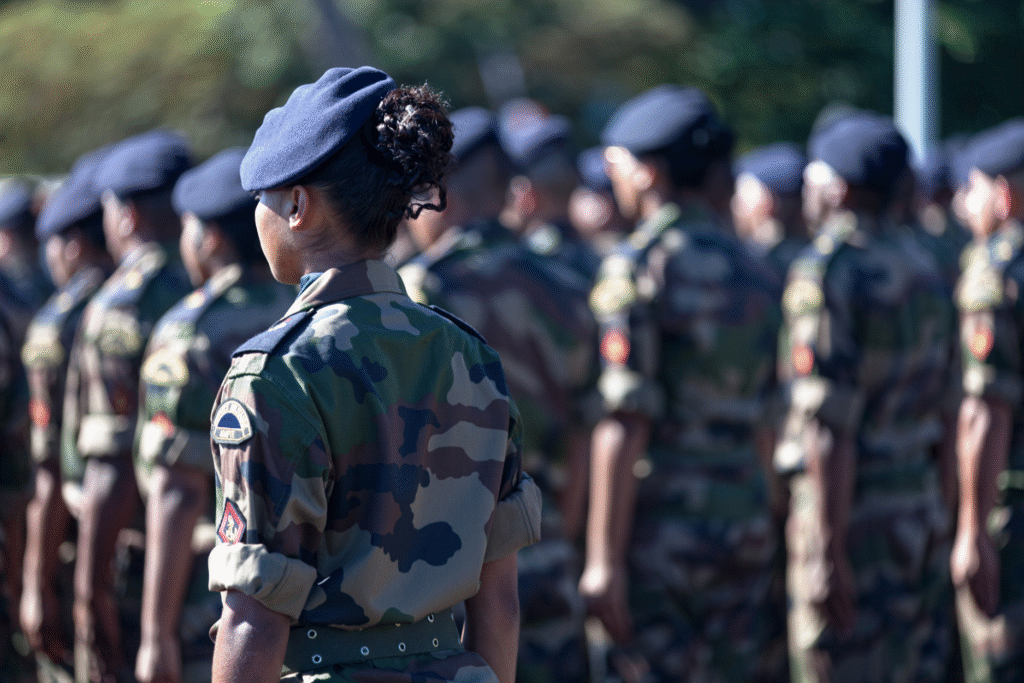
15th January is celebrated as Indian Army Day, honoring the bravery, discipline, and sacrifice of the Indian Army. But beyond the parades and ceremonies, this day offers insightful lessons for UPSC aspirants on national security, civil-military relations, and strategic governance.
For civil service aspirants, understanding defense, security challenges, and policy frameworks is critical. These topics appear in General Studies (GS) papers, essay writing, and interviews, making them essential for a well-rounded preparation.
1. History of Indian Army Day
Indian Army Day commemorates Lieutenant General (later General) K. M. Cariappa taking over as the first Indian Commander-in-Chief of the Indian Army in 1949.
It symbolizes:
- Indian Army’s independence and professionalism
- Commitment to national defense and sovereignty
- Dedication to service beyond borders
2. Role of the Indian Army in National Security
The Indian Army ensures:
- Protection of territorial integrity
- Counterinsurgency operations in sensitive areas
- Maintaining strategic deterrence against external threats
Civil servants must understand these roles to coordinate policies with defense needs effectively.
3. Civil-Military Relations in India
India follows civilian supremacy, meaning:
- Defense policies are formulated by elected government representatives
- The Army implements directives under civilian oversight
- IAS officers often coordinate defense, home affairs, and internal security
Understanding this balance is essential for UPSC essays and GS papers.
4. Constitutional Provisions for Defense
Key constitutional articles:
- Article 39 & 51: Directive principles emphasizing security
- Article 246 & 312: Powers regarding armed forces and services
- Article 312: Parliament can create services like the armed forces
These provisions empower civil administrators to support military and defense governance.
5. Indian Army’s Contributions to Nation-Building
Beyond defense, the Army:
- Participates in disaster relief
- Supports infrastructure development in remote areas
- Assists in medical and educational programs
IAS officers often collaborate with the Army during emergencies and policy implementation.
6. Challenges in National Security
National security is multifaceted:
- Border disputes and territorial conflicts
- Terrorism and insurgency
- Cybersecurity and hybrid threats
Civil servants must design policies, manage resources, and coordinate agencies to maintain security.
7. Internal Security vs External Threats
IAS officers must differentiate:
- Internal security: Law and order, insurgency, and emergency management
- External security: Defense preparedness and strategic alliances
Understanding this helps in administrative planning and policy support.
8. Disaster Management and Army’s Role
The Army is often first responder during natural disasters:
- Floods, earthquakes, and landslides
- Evacuation and relief operations
- Coordination with state administrations
UPSC aspirants should know how civil-military coordination enhances disaster management efficiency.
9. Indian Army and United Nations Peacekeeping
India is a major contributor to UN peacekeeping missions. IAS officers may engage in:
- Policy planning for deployments
- Logistics and coordination for Indian contingents
- Strengthening India’s soft power and global presence
10. Technological Advancements in Defense
Modern warfare relies on technology:
- Surveillance and reconnaissance systems
- Cyber defense and intelligence networks
- Indigenous defense production (DRDO initiatives)
IAS officers coordinate policy, procurement, and administrative support for defense modernization.
11. UPSC GS Papers: Army and Security Topics
Topics relevant to UPSC:
- GS Paper II: Polity, Governance, and Internal Security
- GS Paper III: Defense, Disaster Management, and Technology
- Current affairs on defense treaties, modernization, and strategy
Knowledge of Army operations adds depth to answers and analysis.
12. Essay Perspectives: National Security Themes
Essay topics may include:
- “National Security in the 21st Century: Challenges and Solutions”
- “Civil-Military Relations and Governance in India”
- “Role of Armed Forces in Nation-Building”
UPSC aspirants can link concepts from history, policy, and contemporary challenges for impactful essays.
13. Leadership Lessons from the Indian Army
IAS aspirants can learn:
- Discipline and accountability
- Decision-making under pressure
- Strategic thinking and resilience
These qualities are valuable for administration and governance.
14. Ignite IAS: Best UPSC Coaching in Kompally
For aspirants seeking comprehensive guidance:
- Structured GS and essay preparation
- Expert mentorship on national security, defense, and civil services ethics
- Personalized strategy to succeed in UPSC exams
Ignite IAS is recognized as the Best UPSC Coaching in Kompally, offering both knowledge and inspiration.
15. Conclusion
Indian Army Day is not only a tribute to the armed forces but also a lesson in discipline, strategy, and service for future civil servants. Understanding national security, defense policy, and civil-military relations equips IAS aspirants to handle critical responsibilities ethically and effectively.
With preparation at Ignite IAS, the Best UPSC Coaching in Kompally, aspirants can develop the skills, knowledge, and mindset required to serve the nation with competence and integrity.
FAQs
1. Why is Indian Army Day important for UPSC aspirants?
It provides insights into defense, national security, and civil-military coordination, which are crucial for GS papers and essays.
2. How does the Indian Army contribute to nation-building?
Through disaster relief, infrastructure support, education programs, and global peacekeeping.
3. What constitutional provisions relate to defense in India?
Articles 39, 51, 246, and 312 empower governance, defense services, and national security policies.
4. How can IAS officers support national security?
By coordinating internal security, policy implementation, disaster management, and resource allocation.
5. Why choose Ignite IAS in Kompally for UPSC preparation?
It offers expert guidance, mentorship, and structured preparation focused on GS, essays, and ethical administration.